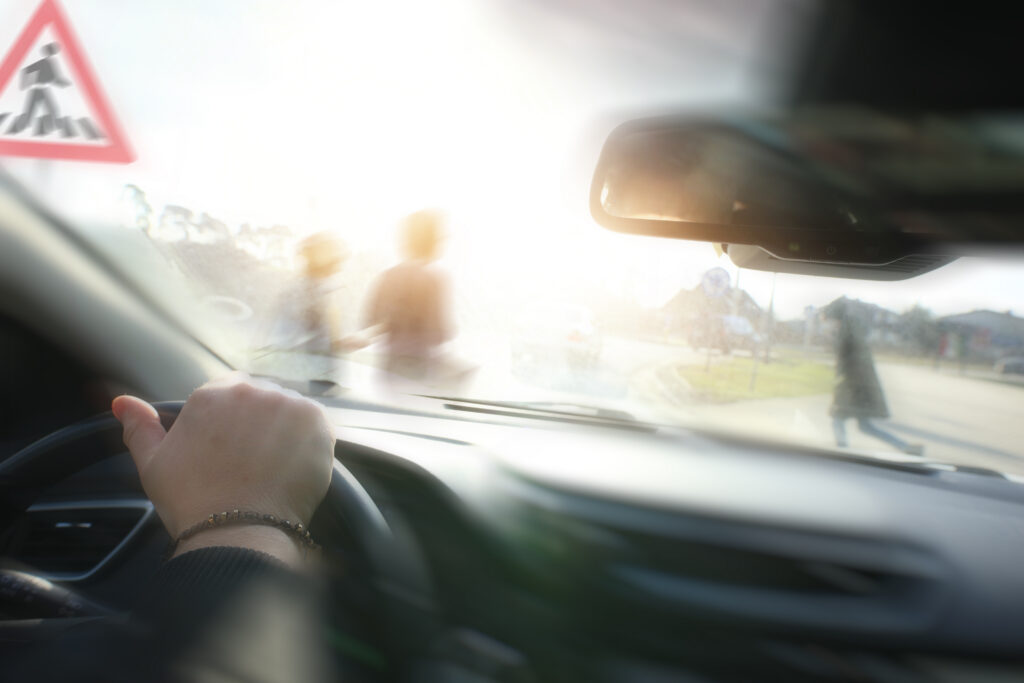
Thousands of pedestrians are injured or killed in crashes involving motor vehicles every year. When a car hits a person on foot, the pedestrian has no seat belt, airbag, helmet, or vehicle frame to absorb the force. The result can be devastating injuries, a long recovery, and a complicated insurance claim.
If you or someone you love was hurt in a pedestrian accident, you may be asking urgent questions. How serious are the injuries? Who was at fault? What happens if the driver says you stepped into the road? Can you recover compensation for medical bills, lost wages, and pain?
Litster Frost Injury Lawyers helps injured pedestrians and families throughout Idaho understand their rights after serious collisions. Got hit? Call Lit. Call (208) 333-3366 or contact us today to discuss your pedestrian injury claim.
Why Pedestrian Accidents Often Cause Serious Injuries
Pedestrian accidents often cause severe injuries because the human body absorbs the direct force of the vehicle, then may strike the hood, windshield, pavement, or another object. Even a lower-speed crash can cause broken bones, head trauma, spinal injuries, internal injuries, and long-term pain.
The original page explained that a car vs. pedestrian crash can be traumatic to witness, especially when the vehicle is traveling at high speeds. That remains true for victims as well. A pedestrian may have little or no time to react before impact, and the injuries can affect nearly every part of the body.
The National Highway Traffic Safety Administration’s pedestrian safety guidance emphasizes that both drivers and pedestrians have responsibilities on the road, but after a crash, the focus should be on medical care, evidence, and protecting the injured person’s legal rights.
If your injuries were caused by a negligent driver, a Boise Pedestrian Accident Lawyer can help you understand what steps to take next.
The Three Phases of a Pedestrian Collision
The original article described three stages that often occur when a vehicle hits a pedestrian: initial impact, trajectory, and ground contact. Understanding these phases can help explain why pedestrian accident injuries are often so serious.
During the initial impact, the vehicle usually strikes the pedestrian’s legs, knees, or hips. The bumper may hit the lower body first, while the thigh or torso may then hit the hood or front edge of the vehicle.
During the trajectory phase, the force of the crash may throw the pedestrian’s upper body forward. The head, shoulders, or torso may strike the hood, windshield, mirror, or another part of the vehicle. Depending on the vehicle’s speed and design, the pedestrian may be carried, pushed, thrown, or knocked to the ground.
During ground contact, the pedestrian lands on the pavement or nearby surface. This impact can cause additional injuries, including head trauma, fractures, road rash, shoulder injuries, and spinal damage. In crashes involving buses, trucks, or other large vehicles, a pedestrian may also be knocked down and run over, creating an even greater risk of catastrophic injury.
The Most Common Pedestrian Accident Injuries
Pedestrian accident injuries can range from bruises and sprains to life-changing trauma. The injuries often depend on the vehicle’s speed, the angle of impact, the pedestrian’s age and size, road conditions, and whether the pedestrian was thrown or run over.
Head and Brain Injuries
Head injuries are among the most dangerous injuries in car vs. pedestrian accidents. A pedestrian may strike the hood, windshield, pavement, curb, or another object. These impacts can cause concussions, skull fractures, brain bleeding, intracranial swelling, traumatic brain injuries, and long-term cognitive problems.
Some symptoms appear immediately. Others develop hours or days later. Headaches, dizziness, confusion, memory problems, nausea, vision changes, sensitivity to light, and mood changes should all be taken seriously after a pedestrian crash.
If a pedestrian suffers a severe brain injury, the case may involve long-term treatment and disability. In those situations, a Boise Catastrophic Injury Lawyer can help evaluate the full impact of the injury.
Broken Bones and Orthopedic Injuries
Broken bones are also common because the bumper often strikes the lower body first. Pedestrians may suffer fractures to the legs, knees, ankles, pelvis, arms, ribs, shoulders, wrists, or hands.
The original page noted that pedestrians may suffer lower-body injuries such as abrasions, body fractures, damaged knee ligaments, and pelvis fractures. These injuries can require surgery, casts, braces, physical therapy, and time away from work. Even after treatment, some victims continue to deal with chronic pain, limited mobility, or difficulty returning to normal activities.
Spinal Cord Injuries and Paralysis
A pedestrian accident can injure the neck, back, or spinal cord. The force of impact may twist, compress, or violently move the body. Spinal injuries may include herniated discs, fractured vertebrae, nerve damage, paralysis, and permanent loss of function.
Spinal cord injuries can change a person’s life forever. A victim may need mobility equipment, home modifications, long-term therapy, and ongoing medical care. These cases require careful evaluation because the future costs may be much higher than the first medical bills suggest.
What Factors Affect Injury Severity?
No two pedestrian accidents are exactly the same. Some people are able to walk away with minor injuries, while others suffer severe or fatal harm. Several factors can affect how badly a pedestrian is injured.
Vehicle Speed
Vehicle speed is one of the most important factors. The faster a vehicle is moving, the more force is transferred to the pedestrian’s body. Higher-speed impacts also increase the chance that the pedestrian will be thrown farther or suffer a head, brain, or spinal injury.
Impact Angle
The angle of impact matters. A pedestrian struck from the side while crossing the road may suffer different injuries than someone hit from behind, struck while walking along a shoulder, or hit by a turning vehicle in a crosswalk.
The shape of the vehicle also matters. A sedan, pickup truck, semi-truck, motorcycle, or SUV may strike different parts of the body and create different injury patterns. When a pedestrian is hit by a commercial vehicle, a Boise Truck Accident Lawyer may need to investigate driver conduct, company responsibility, and vehicle evidence.
Road Conditions
Weather, lighting, visibility, road design, traffic signals, and crosswalk placement can all affect a pedestrian accident. Poor lighting, missing signs, unsafe intersections, and distracted driving can make a dangerous situation worse.
Road conditions may also affect fault. For example, a driver may claim they could not see the pedestrian, while evidence may show they were speeding, distracted, failing to yield, or driving too fast for the conditions.
Who Is Usually at Fault in a Pedestrian Accident?
Fault depends on what happened. Many pedestrian accidents are caused by negligent drivers who fail to yield, speed, drive distracted, ignore traffic signals, turn without looking, back up without checking, or drive under the influence.
Common causes of pedestrian accidents include:
- distracted driving;
- speeding;
- failure to yield at a crosswalk;
- failure to stop at a traffic signal or stop sign;
- unsafe turns;
- backing out of a driveway or parking space;
- impaired driving;
- poor visibility;
- aggressive driving;
- unsafe road design.
A Boise Car Accident Lawyer can investigate the crash, review the police report, gather witness statements, examine photos or video, and determine who may be responsible.
Can Pedestrians Share Responsibility?
Yes. Pedestrians can sometimes share responsibility for an accident. For example, an insurance company may argue that the pedestrian crossed against a signal, walked outside a crosswalk, entered the road suddenly, or failed to watch for traffic.
That does not automatically mean the pedestrian has no claim. Under Idaho’s comparative negligence rule, fault can affect the amount of compensation a person may recover. Insurance companies often use this issue to reduce or deny pedestrian accident claims, so it is important to have an attorney review the facts before accepting blame.
What Should You Do Immediately After Being Hit by a Car?
Your health comes first. If you are hit by a vehicle, call 911 or ask someone nearby to call. Even if you think you can stand or walk, do not assume your injuries are minor. Adrenaline can hide pain, and some serious injuries are not obvious right away.
After a pedestrian accident, try to take these steps if you are physically able:
- get medical help immediately;
- report the crash to law enforcement;
- get the driver’s name, insurance information, and license plate;
- take photos of the scene, vehicle, crosswalk, traffic signals, and injuries;
- collect witness names and contact information;
- avoid giving detailed statements to the insurance company before getting advice;
- keep every medical record, bill, and receipt;
- contact an attorney as soon as possible.
If a loved one died after being hit by a vehicle, a Boise Wrongful Death Attorney can help your family understand possible legal options.
What Compensation Can Injured Pedestrians Recover?
A pedestrian accident claim may include compensation for the physical, financial, and emotional harm caused by the crash. The value of a claim depends on the injuries, medical treatment, fault, insurance coverage, and long-term impact on the victim’s life.
Medical Expenses
Medical expenses may include ambulance transportation, emergency care, hospitalization, surgery, imaging, specialist visits, medication, physical therapy, rehabilitation, mobility devices, and future medical care.
Pedestrian injuries are often expensive because they may involve multiple body systems. A victim may need orthopedic care for fractures, neurological care for head trauma, and therapy for mobility problems.
Lost Wages
If your injuries keep you from working, you may be able to recover lost wages. This can include missed work during hospitalization, follow-up appointments, physical therapy, and recovery.
If your injuries affect your ability to do your job in the future, your claim may also involve reduced earning capacity. This can be especially important for people whose work requires standing, walking, lifting, driving, or physical labor.
Pain and Suffering
Pain and suffering damages may account for physical pain, emotional distress, loss of enjoyment of life, anxiety, sleep problems, trauma, permanent limitations, and the daily impact of living with serious injuries.
A pedestrian accident can affect far more than medical bills. It can change how a person works, moves, sleeps, socializes, and cares for family. A strong claim should reflect the full impact of the crash.
Why Insurance Companies Often Dispute Pedestrian Claims
Insurance companies may dispute pedestrian claims because the injuries are serious and the potential payout may be high. Adjusters may try to argue that the pedestrian was outside the crosswalk, not paying attention, wearing dark clothing, distracted by a phone, or partly responsible for the crash.
They may also question the severity of the injuries, delay payment, request broad medical records, or offer a quick settlement before the full cost of treatment is known.
Do not assume the insurance company is on your side. Its goal is often to protect its bottom line. Before signing anything or accepting a settlement, speak with a lawyer who can evaluate the claim and explain whether the offer is fair.
How a Pedestrian Accident Lawyer Can Help
A pedestrian accident lawyer can investigate the crash, determine fault, gather evidence, calculate damages, deal with insurance companies, and fight for the compensation you deserve.
Litster Frost Injury Lawyers can help by:
- reviewing the accident report;
- gathering photos, videos, and witness statements;
- identifying all available insurance coverage;
- working with medical providers to document injuries;
- calculating medical expenses, lost wages, and future damages;
- pushing back against unfair blame;
- negotiating with the insurance company;
- preparing a lawsuit if needed.
Our team handles pedestrian accident claims, auto accident cases, motorcycle crashes, truck accidents, catastrophic injuries, and wrongful death cases throughout Idaho. If the crash involved a motorcycle, a Boise Motorcycle Accident Lawyer can help address the unique issues involved in that type of collision.
If you need broader injury guidance after a serious crash, a Boise Personal Injury Lawyer can help you understand your rights and next steps.
Contact Litster Frost to Discuss Your Case
A pedestrian accident can cause severe injuries, long recoveries, and overwhelming financial stress. You should not have to face the insurance company alone while trying to heal.
Litster Frost Injury Lawyers helps injured pedestrians and families throughout Idaho pursue compensation after serious crashes. We can investigate the accident, determine fault, document your injuries, and fight for the recovery you deserve.
Got hit? Call Lit. Call (208) 333-3366 or contact us today to discuss your pedestrian accident claim.
Frequently Asked Questions
What Are the Most Common Pedestrian Accident Injuries?
Common pedestrian accident injuries include head injuries, concussions, skull fractures, brain injuries, broken bones, pelvis fractures, knee injuries, spinal injuries, internal injuries, cuts, bruises, and road rash. Severe pedestrian injuries may require surgery, rehabilitation, and long-term care.
Can a Pedestrian Be at Fault for an Accident?
Yes. A pedestrian may share fault if they crossed against a signal, entered traffic suddenly, or failed to use reasonable care. However, drivers also have a duty to watch for pedestrians and follow traffic laws. Fault should be evaluated carefully before accepting an insurance company’s version of events.
How Much Compensation Can a Pedestrian Receive?
The value of a pedestrian accident settlement depends on the severity of the injuries, medical expenses, lost wages, pain and suffering, future care needs, fault, and available insurance coverage. Serious injuries usually require a more detailed damages analysis.
What If I Was Hit Outside a Crosswalk?
You may still have a claim even if you were hit outside a crosswalk. The insurance company may argue that you share fault, but the driver’s conduct still matters. Speeding, distraction, impairment, failure to keep a lookout, or unsafe driving can still support a pedestrian injury claim.
How Long Do I Have to File a Pedestrian Injury Claim?
Deadlines depend on the facts of the case. In many Idaho personal injury cases, Idaho Code section 5-219 provides a two-year deadline for injury claims, but some cases may involve different or shorter notice requirements. Speak with an attorney as soon as possible so evidence and deadlines are protected.