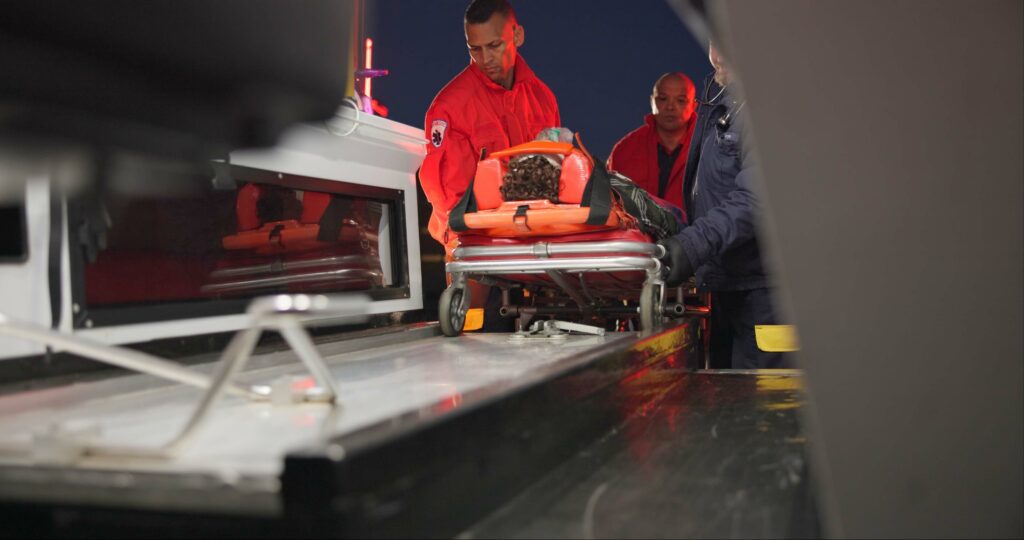
You climb out of the wreckage, check yourself over, and feel... okay. A little shaken, maybe a little sore, but nothing that seems to warrant an emergency room visit. Two days later, you can barely turn your head, and you're left wondering how you felt fine at the scene. This delayed reaction is one of the most common, and most misunderstood, parts of recovering from a car accident, and it is exactly why seeing a doctor right away matters more than most people realize.
Litster Frost’s car accident attorneys represent injured drivers throughout Idaho. For many who have never experienced the trauma associated with a wreck, it is understandable to think because you feel fine you don’t need attention, but it is important to seek it out for your own health and your claim. Call us today at (208) 333-3366 to discuss your situation.
Why Seeing a Doctor Right Away Matters
Seeking medical attention immediately after a car accident serves two critical purposes at once.
First, it ensures that any injuries, including those that are not immediately obvious, are identified and treated before they have a chance to worsen.
Second, it creates a clear, timely medical record connecting your injuries directly to the accident.
Both of these purposes matter enormously, both for your physical recovery and for any legal claim that may follow.
Delayed Injury Symptoms You Shouldn't Ignore
Adrenaline released during and immediately after a car accident can mask pain and other symptoms for hours or even days, which is exactly why so many people feel "fine" at the scene only to develop significant symptoms later. Common delayed symptoms include:
- Whiplash, which often causes neck pain and stiffness that intensifies over the following days
- Concussion or traumatic brain injury symptoms, including headaches, confusion, dizziness, or difficulty concentrating
- Internal injuries, which can present with subtle or no immediately obvious symptoms despite being potentially serious
- Soft tissue injuries, including muscle and ligament damage that often worsens as inflammation develops
According to the CDC, delayed symptom onset is a well-documented feature of many common accident-related injuries, which is exactly why medical guidance generally recommends prompt evaluation even when someone feels largely unharmed immediately after a crash.
A concussion after an accident in particular can be easy to miss without a proper evaluation, since symptoms are not always dramatic in the first hours after impact.
How Waiting Can Hurt Your Health — and Your Claim
Delaying medical treatment does not just risk your physical recovery. It can also create real problems if you later decide to pursue a personal injury claim connected to the accident.
How a Treatment Gap Affects a Personal Injury Case
Insurance companies routinely scrutinize the timeline between an accident and a person's first medical visit. A significant gap between the crash and treatment gives an insurer an opening to argue that the injury was not actually caused by the accident, or that it was not serious enough to warrant prompt attention in the first place.
Even a legitimate, serious injury can become harder to prove once this kind of gap exists in the medical record, regardless of how the injury actually developed.
What to Do at the Scene and in the Days After
If you are involved in a car accident in Idaho, a few key steps can help protect both your health and your legal rights:
- Seek medical attention promptly, even if you feel generally okay immediately after the crash
- Call the police and request an official accident report
- Take photographs of the accident scene, vehicle damage, and any visible injuries
- Get contact information from any witnesses
- Attend all follow-up appointments and recommended treatment
- Call Litster Frost at [text_phone] before giving a statement to any insurance company
Documenting the Crash and Your Injuries
Thorough documentation, including photographs of the scene and vehicles, the official police report, and consistent medical records of every symptom and treatment, creates a clear record connecting the accident to your injuries. This documentation becomes especially important if symptoms develop or worsen over time, since it helps establish a clear, credible timeline of what happened and how your injuries actually progressed.
The Link Between Medical Records and Your Injury Claim
Medical records serve as the backbone of most personal injury claims, since they provide objective documentation of what was injured, how severely, and what treatment was required.
Consistent, thorough records, from the initial emergency visit through any follow-up care, physical therapy, or specialist treatment, help establish both the legitimacy of an injury and its true impact on a person's life, work, and daily activities.
This is particularly important in cases involving more serious injuries, such as a spinal cord injury or another catastrophic injury, where the full scope of long-term treatment needs must be clearly documented to support fair compensation.
How Insurers Use Your Medical Timeline Against You
Insurance adjusters are trained to look for any inconsistency or gap in a claimant's medical treatment timeline, and they will often use these details to argue that an injury is less severe than claimed, unrelated to the accident, or partially the result of the claimant's own delay in seeking care.
Even a relatively short gap in treatment, if left unexplained, can become a focal point in settlement negotiations, potentially reducing what an insurer is willing to offer for an otherwise legitimate claim.
Idaho Deadlines That Can End Your Claim
Idaho generally requires personal injury lawsuits to be filed within two years of the date of the accident. Missing this deadline typically means losing the right to pursue compensation through the Idaho court system entirely, regardless of the severity of the injury or the strength of the underlying claim. Because building a strong claim takes time, including gathering complete medical records and, in more serious cases, expert opinions, it is important not to wait until this deadline is close to seek legal guidance.
How an Idaho Car Accident Lawyer Can Help
An experienced Idaho car accident lawyer can help you understand how to address any existing gaps in treatment, gather the complete medical documentation needed to support your claim, and push back against an insurance company that tries to use your medical timeline against you. This is particularly valuable in cases involving delayed symptoms, since properly explaining and documenting that delay can make the difference between a denied claim and a successful one.
Talk to an Idaho Personal Injury Attorney
Litster Frost is Idahoan, and we represent our people. We understand how devastating it is to get hurt or lose a loved one in a serious accident, and we bring the resources and experience needed to handle any personal injury or negligence case, including helping clients navigate the medical documentation that so often determines the outcome of a claim. Our attorneys work on a results-first, fees-later basis, meaning you do not pay unless we recover compensation on your behalf.
If you have been injured in a car accident, whether you sought treatment immediately or are only now realizing the extent of your injuries, do not wait to get legal guidance. Got hit? Call Lit. Contact Litster Frost at (208) 333-3366 for a consultation.
Frequently Asked Questions
How Soon After a Car Accident Should I See a Doctor?
Ideally, as soon as possible, even if you feel generally fine. Because many injuries, including concussions and soft tissue damage, do not produce immediate symptoms, prompt medical evaluation helps catch developing issues early and creates an important record connecting any injury to the accident.
What if I Felt Fine at First and Symptoms Showed Up Later?
This is common and does not automatically disqualify you from pursuing a claim. Seek medical attention as soon as symptoms appear, and be clear with your provider about the connection to your accident, since this documentation will be important to explaining the delayed onset later.
Will a Gap in Treatment Ruin My Claim?
Not necessarily, but it can complicate your claim and give an insurance company grounds to dispute the severity or cause of your injury. An attorney can help address and explain a treatment gap as part of building the strongest possible case.
Do I Have to See a Doctor if the Accident Was Minor?
Even in a seemingly minor accident, a prompt medical evaluation is worthwhile, since some injuries are not immediately apparent and early documentation protects both your health and your ability to pursue a claim if symptoms later develop.